AI Quick Summary
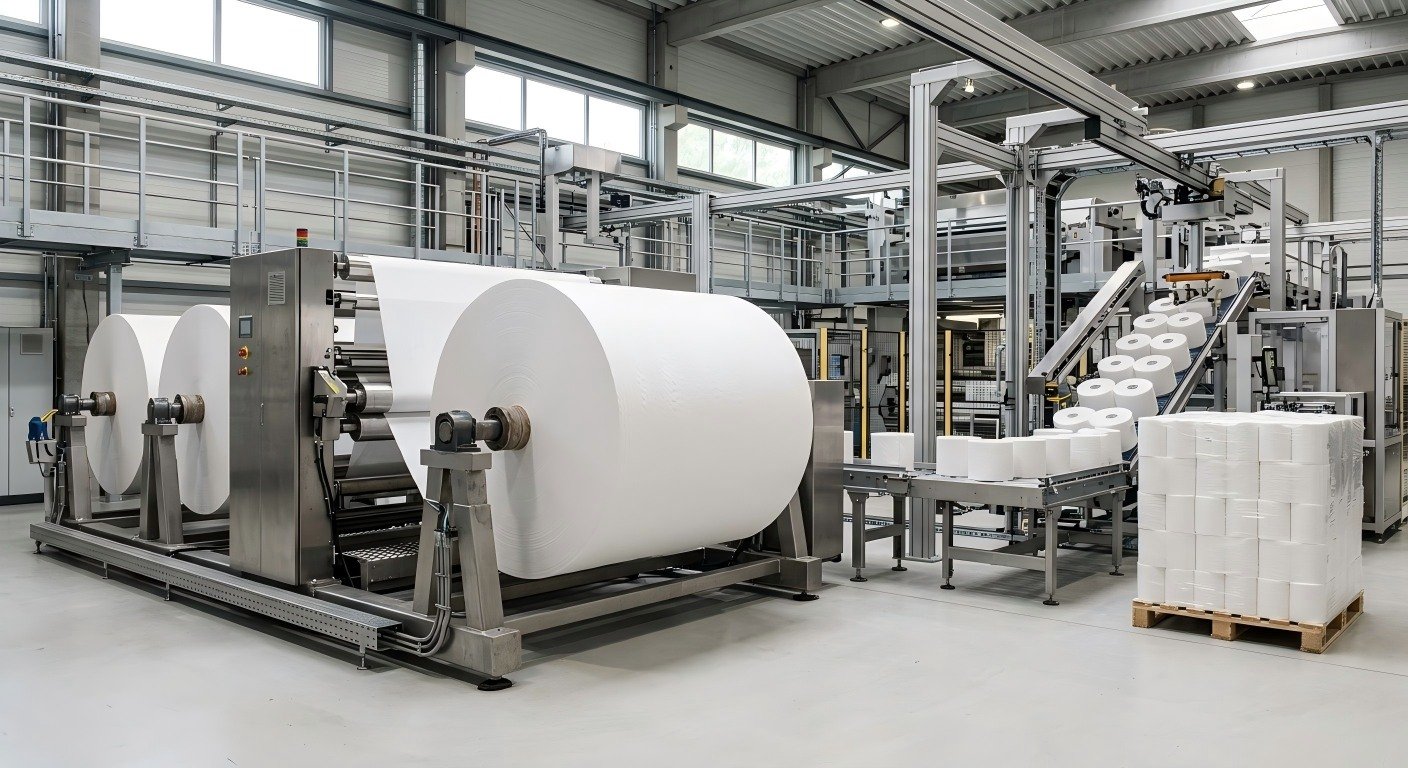
In 2026, North American buyers do not judge a TAD toilet paper supplier only by the first sample. They care more about repeat-order stability: softness, absorbency, strength, and converting performance must stay consistent from batch to batch. That focus aligns with Solenis’ 2024 description of TAD producers pursuing “consistent performance” while also improving efficiency, flexibility, and safety. It also matters more because Valmet says TAD has higher energy consumption and equipment costs than conventional methods, which raises the commercial importance of stable output.
Overview
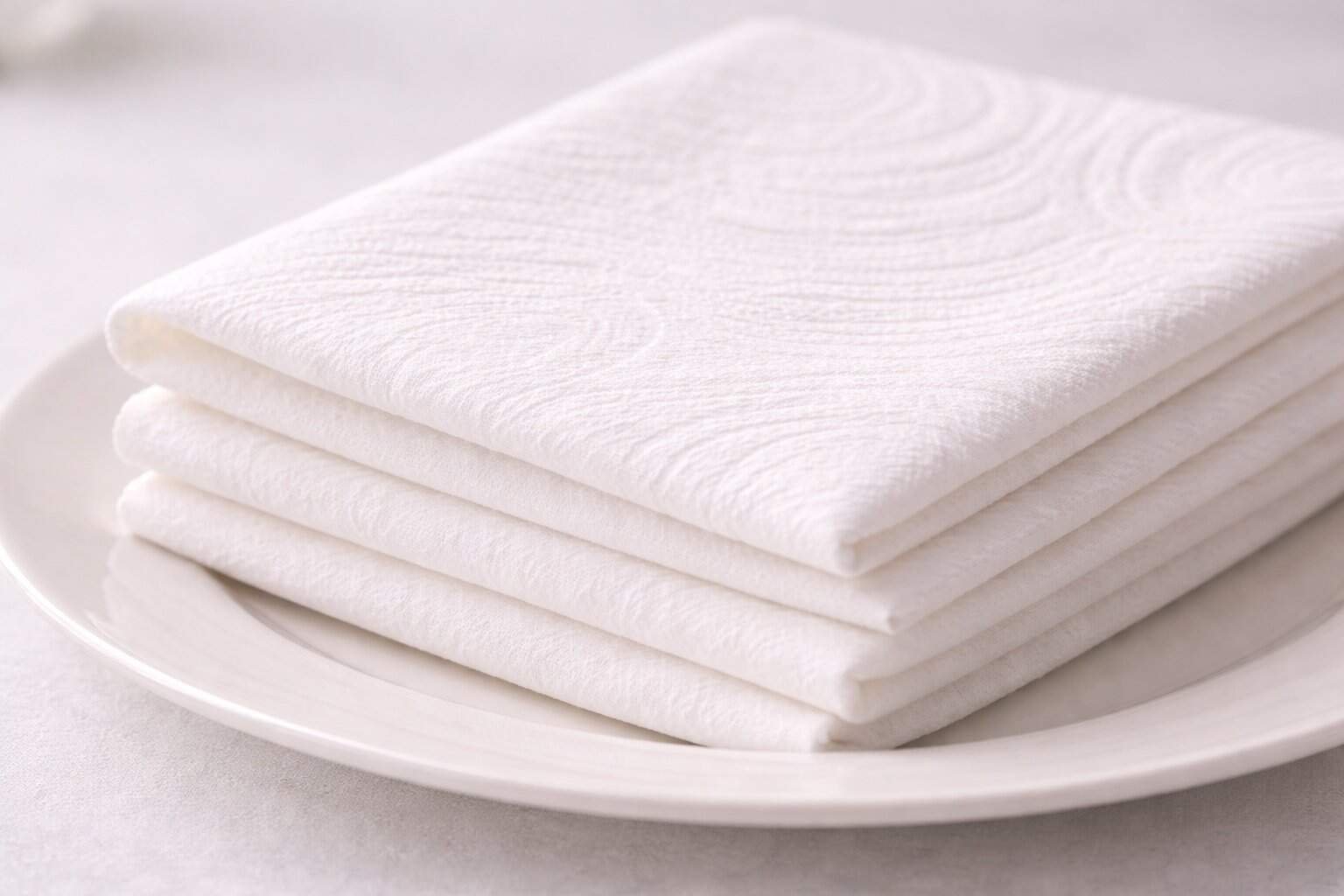
For years, TAD tissue has been associated with premium softness, bulk, and absorbency. That still matters. But in 2026, buyers are more practical. A premium first sample may get attention, yet it does not guarantee long-term business. What buyers really want is confidence that the next order will perform the same as the first one.
That is why the role of a TAD toilet paper supplier has changed. The supplier is no longer judged only by handfeel or sample appearance. Buyers now want repeatability, converting stability, and fewer surprises across future shipments. This shift is consistent with Solenis’ emphasis on consistent performance and Valmet’s view that TAD’s higher energy profile makes production discipline more important.
A Good Sample Is No Longer Enough
A strong first sample still helps open the conversation. But in real B2B sourcing, buyers are not buying one carton. They are buying future consistency.
If a product feels soft in the sample stage but later shows variation in absorbency, strength, embossing response, or converting behavior, the buyer absorbs the risk. That risk appears as complaints, production inefficiency, unstable shelf performance, or weaker reorder confidence. Solenis’ 2024 framing points in exactly this direction: TAD producers are trying to improve operational performance while maintaining consistency.
Why This Matters More in 2026
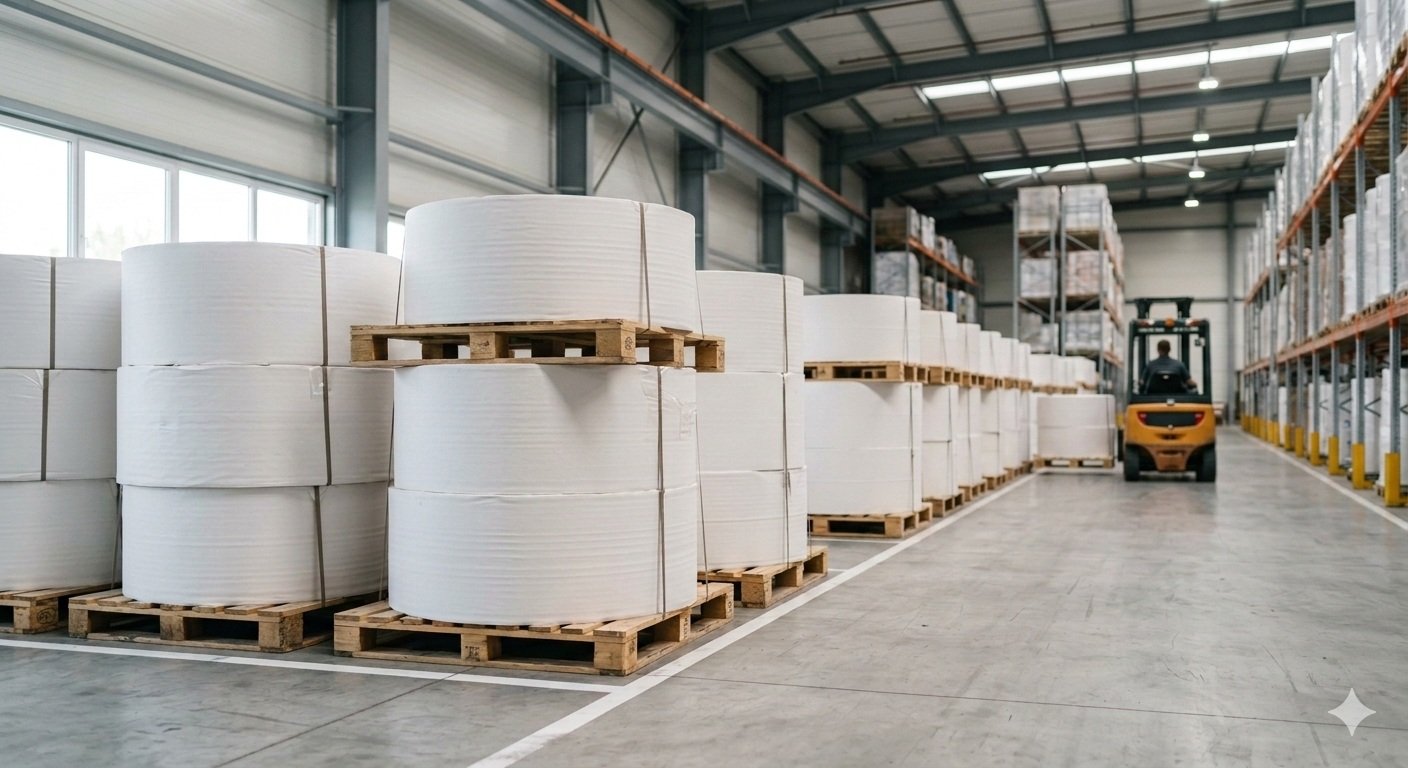
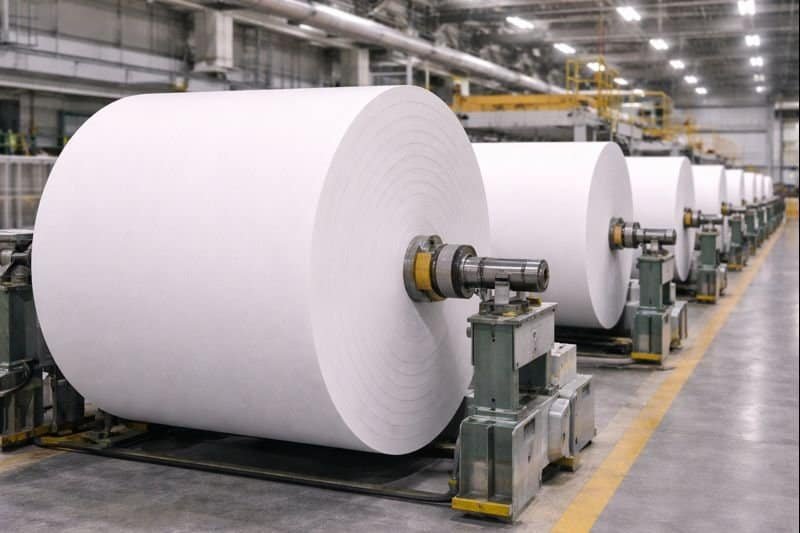
This issue is more important now because TAD remains a premium route, but it is also more demanding to run. Valmet states clearly that TAD’s challenges include higher energy consumption and higher equipment costs than conventional methods. That means buyers are not only asking whether a sheet feels premium; they are also asking whether that premium quality can be produced consistently enough to support long-term cost control and supply planning.
What Buyers Really Compare
| Buyer focus | What they actually want |
|---|---|
| Sample quality | Good first impression |
| Repeat orders | Same softness and absorbency every time |
| Converting suitability | Stable runnability and fewer surprises |
| Supply reliability | Predictable quality across batches |
| Cost control | Premium value with less variability |
This buying logic fits the current TAD discussion: premium output is attractive, but the production path requires stronger consistency and efficiency control.
What a Reliable TAD Toilet Paper Supplier Should Prove
A serious TAD toilet paper supplier should be able to demonstrate more than softness.
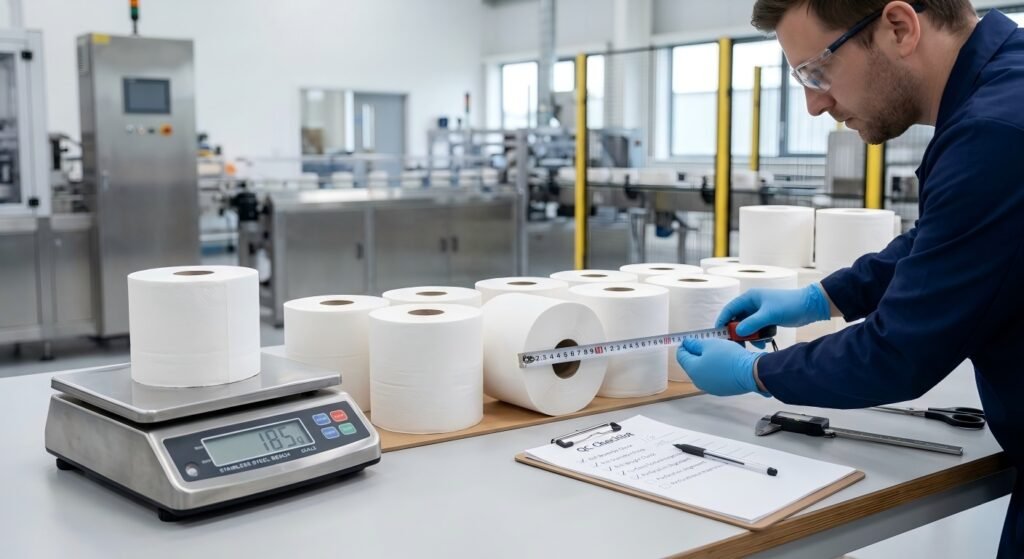
First, the supplier should show that product performance is repeatable, not occasional. Buyers need consistency in softness, absorbency, strength, and converting response.
Second, the supplier should communicate clearly about production control and specification stability. In a premium category, vague promises are weaker than process discipline.
Third, the supplier should understand that TAD’s higher energy burden raises the importance of efficiency and stable execution. When the process is more energy-intensive, variability becomes more costly. That conclusion follows from Valmet’s description of TAD’s energy and equipment profile.
What This Means for sanshengpaper
For sanshengpaper, the stronger message in 2026 is not simply, “our tissue is soft.” The stronger message is: we understand that buyers need repeat-order stability, not just a good sample.
That means positioning around:
stable batch-to-batch quality
dependable converting suitability
practical long-term cooperation
premium value that holds up beyond the sample stage
This is the type of message more likely to resonate with North American importers, distributors, and private label buyers evaluating a new TAD toilet paper supplier.
Practical Buyer Checklist
| Before choosing a supplier, ask: | Why it matters |
|---|---|
| Can you keep softness stable across repeat orders? | Prevents quality drift |
| Can you keep absorbency and strength consistent? | Protects product performance |
| Can you support converting stability? | Reduces downstream issues |
| How do you control variability? | Improves buyer confidence |
| Can you support long-term supply logic? | Helps real business, not just sampling |
FAQ
Why is consistent performance more important than sample quality?
Because sample quality shows only the first impression. Repeat-order consistency shows whether the program is commercially reliable.
What do buyers expect from a TAD toilet paper supplier in 2026?
They expect stable softness, absorbency, strength, converting suitability, and fewer batch-to-batch surprises.
Why is this especially important for TAD tissue?
Because TAD is a premium category, and Valmet says it also has higher energy consumption and equipment costs than conventional methods. That makes stable execution more important.
How should sanshengpaper position this message?
By focusing on repeat-order stability and practical supply reliability, not only on a premium sample feel.
Final Thoughts
In 2026, the best TAD toilet paper supplier is not simply the one that delivers the softest first sample. It is the supplier that can keep performance stable across future orders while handling efficiency and cost pressure in a realistic way. That is the standard serious buyers increasingly look for.
Call to Action
If you are evaluating a new TAD toilet paper supplier, do not stop at sample approval. Look at repeat-order stability, converting suitability, and long-term supply logic.
Fill out the inquiry form and share your target specs, packaging needs, and market requirements with sanshengpaper. We will help you assess whether your next TAD program is built for one sample—or for real repeat business.